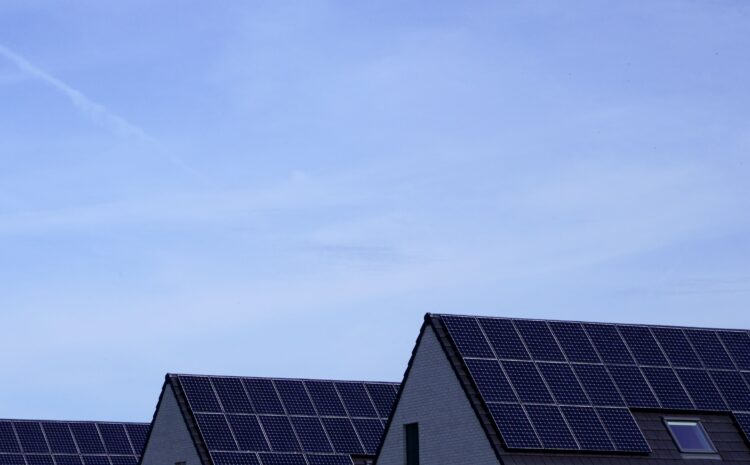
Solar panel leases allow homeowners to use solar energy systems without purchasing the equipment outright. However, disagreements can arise over monthly payments, equipment maintenance, system performance, or the terms of a lease agreement.
In California, solar panel lease disputes may involve homeowners, solar installation companies, and financing providers. Courts examine the agreements, applicable consumer protection laws, and evidence of the parties’ obligations to determine how these disputes should be resolved.
Understanding Solar Panel Lease Agreements
A solar panel lease generally allows a homeowner to use equipment owned by another company in exchange for recurring payments. These agreements often establish lease duration, maintenance responsibilities, payment increases, and conditions for ending the contract.
Because solar leases can last for many years, disagreements may develop when homeowners experience unexpected costs or discover terms they did not fully understand. Courts may examine the contract language to determine which obligations are enforceable.
Disputes Over Solar System Performance
Some disputes arise when solar panels produce less electricity than homeowners expected. A homeowner may argue that the system failed to deliver promised performance or that the company misrepresented potential energy savings.
Courts consider whether the lease includes specific performance guarantees or whether representations made during the sale created enforceable obligations. Energy production records, marketing materials, and communications may help establish what was promised.
Maintenance and Repair Responsibilities
Solar lease agreements often assign maintenance and repair duties to the equipment owner. Disputes may arise when a company delays repairs, refuses to replace malfunctioning components, or disagrees with a homeowner about responsibility for damage.
Courts review the agreement to determine which party was responsible for maintaining the system. Repair records, inspection reports, and correspondence may help establish whether contractual obligations were fulfilled.
Challenges Involving Lease Payments
Homeowners may dispute unexpected payment increases, billing errors, or charges imposed after a system stops functioning properly. These disagreements often depend on the payment provisions and adjustment terms contained in the lease.
Courts examine billing statements, payment histories, and contractual language to determine whether charges were authorized. The enforceability of particular provisions may also depend on applicable California contract and consumer protection laws.
Solar Leases During Property Sales
Selling a home with leased solar panels can create additional complications. Buyers may be asked to assume the lease, while sellers may face questions about transferring or terminating the agreement.
Courts may examine transfer provisions, disclosure documents, and communications between the parties when disputes arise. Whether a seller or buyer has responsibility for particular obligations depends on the agreements and circumstances of the transaction.
Legal Remedies for Solar Lease Disputes
When a party breaches a solar panel lease, the affected party may seek compensation or other relief permitted by law. Available remedies depend on the contract, the nature of the alleged violation, and any applicable statutory protections.
Courts consider evidence of financial losses, contractual violations, and the conduct of the parties before determining appropriate relief. Some disputes may result in monetary damages, while others may involve contract rescission or enforcement of specific obligations.
