
Unexpected emergencies can arise in situations where individuals have little time to react. In California civil litigation, courts may consider whether a person’s response to an immediate danger was reasonable under the circumstances.
The sudden emergency doctrine recognizes that individuals facing unexpected danger may not have the same opportunity to evaluate their options as someone acting under ordinary conditions. However, the doctrine does not automatically excuse negligent conduct.
Understanding the Sudden Emergency Doctrine
The sudden emergency doctrine is a principle of California negligence law that addresses how reasonable care is evaluated when someone encounters an unexpected and immediate danger. It recognizes that decisions made under sudden pressure must be considered in light of the circumstances confronting the individual.
Rather than creating a separate defense to negligence, the doctrine helps courts and juries determine whether a person’s actions were reasonable. The central question is whether the individual responded as a reasonably careful person would have responded when facing a similar emergency.
Determining Whether an Emergency Existed
Courts examine whether the circumstances involved a sudden and unexpected situation requiring immediate action. An emergency generally involves an actual or apparent danger that leaves little time for careful consideration of available alternatives.
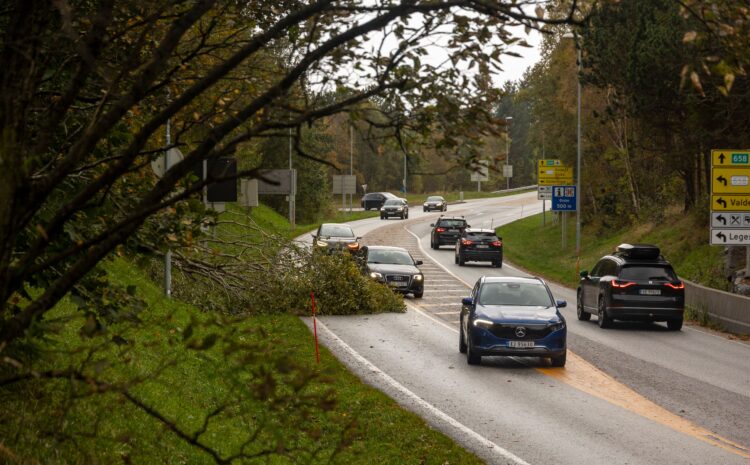
For example, a driver who unexpectedly encounters an obstruction may need to react within seconds. Courts consider the surrounding conditions, the timing of the danger, and whether the circumstances genuinely required an immediate response rather than an ordinary driving decision.
Examining Whether the Emergency Was Self-Created
An important limitation of the doctrine concerns the individual’s responsibility for creating the dangerous situation. California law generally does not allow someone to rely on the sudden emergency principle when their own negligence substantially contributed to causing the emergency.
Courts therefore examine the person’s conduct before the danger arose. If an individual was speeding, distracted, or otherwise acting negligently, those circumstances may affect whether the doctrine applies, particularly when that conduct contributed to the emergency.
Evaluating the Reasonableness of the Response
Even when a qualifying emergency exists, the individual’s response must still satisfy the applicable standard of reasonable care. The doctrine does not require a person to select the safest possible option with the benefit of hindsight.
Instead, courts consider what a reasonably careful person might have done when confronted with the same immediate danger. A response that ultimately causes harm may still be reasonable if the individual had limited time to react and acted appropriately under the circumstances.
Considering Evidence of the Emergency
Evidence plays an important role in determining whether the sudden emergency doctrine applies. Courts may consider witness testimony, photographs, video recordings, accident reconstruction evidence, and other information establishing how the dangerous situation developed.
The timing and sequence of events can be particularly significant. Evidence showing when the danger became apparent, how much time the individual had to respond, and whether alternative actions were realistically available can help establish the circumstances surrounding the incident.
Applying the Doctrine in Civil Negligence Cases
The sudden emergency doctrine frequently arises in vehicle collision cases, although its underlying principles may be relevant to other negligence disputes involving immediate danger. California courts evaluate whether the evidence supports applying the doctrine to the particular circumstances.
When the evidence justifies a sudden emergency jury instruction, jurors may consider the unexpected danger when deciding whether the defendant exercised reasonable care. The doctrine does not guarantee a favorable outcome, and liability ultimately depends on the facts and applicable negligence standards.
