
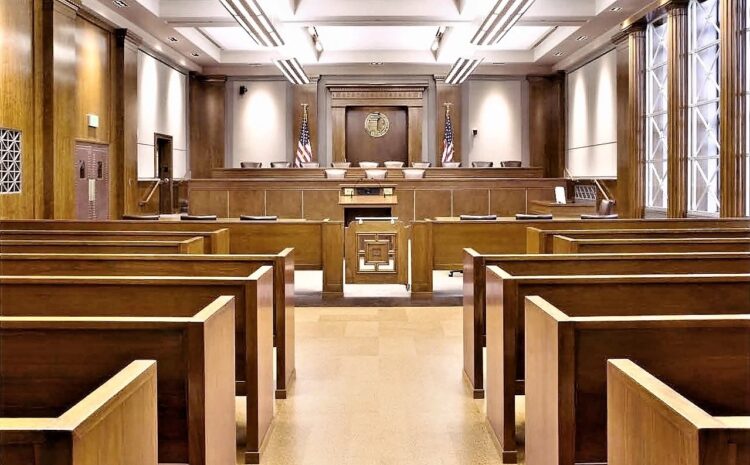
Many civil cases never reach a courtroom for trial. Before evidence is formally introduced or witnesses testify, courts apply a series of procedural standards that determine whether a dispute may proceed at all. These mechanisms function as structural filters within the judicial system.
Trial is not the default endpoint of every lawsuit. It is the stage reached only after a claim survives multiple layers of procedural review.
Pleadings Must Allege Every Required Legal Element
Courts first examine the complaint to determine whether it properly states a legally recognizable claim. Each cause of action must include specific elements established by statute or case law. If even one required element is missing, the claim may be dismissed regardless of how compelling the narrative appears.
This evaluation focuses on legal sufficiency, not factual persuasiveness. A court assumes alleged facts are true at this stage but assesses whether those facts, even if proven, would entitle the plaintiff to relief under the law.
Jurisdiction Determines Whether the Court Has Authority
A court must have authority over both the subject matter of the dispute and the parties involved. Subject matter jurisdiction concerns the type of case being filed, while personal jurisdiction concerns the court’s authority over the defendant.
If jurisdiction is lacking, the court cannot proceed. The issue is structural rather than discretionary. Even agreement between parties cannot create jurisdiction where it does not exist.
Standing Requires a Direct and Concrete Interest
Courts limit access to those who have suffered a legally recognized injury connected to the conduct at issue. A generalized grievance or indirect impact is insufficient.
Standing ensures that courts resolve actual disputes rather than abstract disagreements. Without a concrete stake in the outcome, a party cannot invoke judicial authority.
Statutes of Limitation Create Absolute Time Boundaries
Timing rules operate as firm barriers to litigation. If a claim is filed after the applicable statutory deadline, the court may dismiss it even when the underlying facts appear strong.
These limits reflect policy judgments about fairness, finality, and evidentiary reliability. Delay alone can eliminate an otherwise viable claim.
Service and Notice Safeguard Due Process
Before a court can exercise power over a defendant, that party must receive proper notice of the action. Service of process requirements are detailed and mandatory.
Failure to comply may invalidate proceedings or prevent the court from entering enforceable orders. Notice is not procedural formality. It is a constitutional requirement tied to due process.
Pretrial Motions Limit Which Claims Reach Trial
After the pleadings stage, parties may challenge claims through procedural motions that test legal sufficiency or evidentiary support. Courts can resolve certain issues as a matter of law without allowing the case to proceed to full trial.
These motions narrow disputes and remove claims that cannot meet established standards. Only matters requiring factual determination move forward.
