
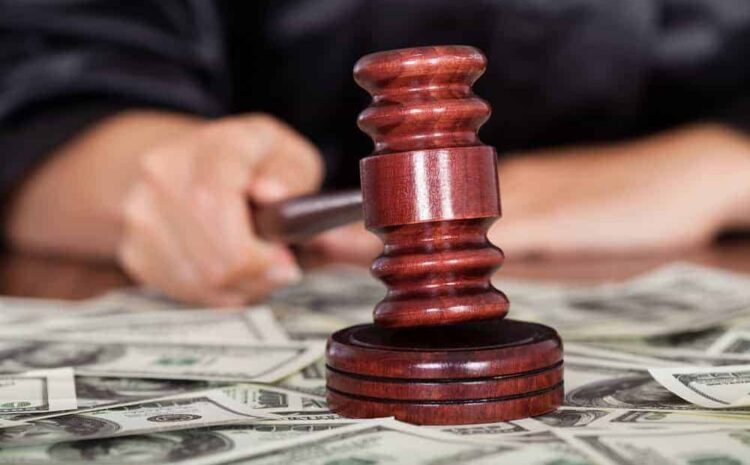
Winning a lawsuit can feel like the end of a long legal process, but for many people, it is only the beginning of a new challenge. A court judgment confirms legal rights and obligations, but it does not automatically result in payment.
Understanding what a judgment does and does not accomplish helps set realistic expectations after a case is decided.
A Judgment Is a Legal Determination, Not a Check
When a court enters a judgment, it formally decides who owes what. The judgment establishes liability and the amount owed, but it does not force immediate payment.
Courts generally do not collect money on behalf of the winning party. Responsibility for enforcing the judgment usually rests with the judgment creditor.
Some Parties Pay Voluntarily, Many Do Not
In some cases, the losing party pays promptly to avoid further legal trouble. In many others, payment is delayed or avoided entirely.
A party may claim financial hardship, ignore the judgment, or take steps to make collection more difficult. A judgment alone does not prevent this behavior.
Enforcement Requires Additional Legal Steps
If payment is not made voluntarily, enforcement actions may be necessary. These can include wage garnishments, bank levies, liens, or court-ordered examinations to locate assets.
Each enforcement method involves specific procedures and legal requirements. Winning the case does not automatically trigger these steps.
Time and Strategy Matter After Judgment
Judgment enforcement often takes time. Assets may not be immediately available, and enforcement efforts may need to be repeated or adjusted.
Strategic decisions about when and how to pursue enforcement can affect both cost and outcome. Rushing or using the wrong tools can reduce effectiveness.
A Judgment Creates Leverage, Not Certainty
Although a judgment does not guarantee payment, it provides powerful legal leverage. Judgments may accrue interest, affect credit, and remain enforceable for years.
This leverage can encourage eventual payment, even if collection is not immediate.
Understanding the Process Helps Avoid Frustration
Many people assume that winning in court automatically resolves the dispute. When payment does not follow, frustration often sets in.
Knowing that enforcement is a separate phase of the process helps parties prepare for what comes next and make informed decisions after a judgment is entered.
