
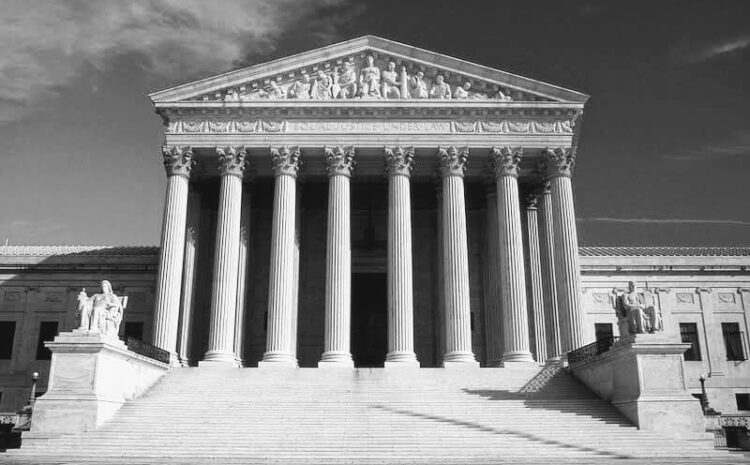
Civil courts play a central role in resolving disputes, but their authority is not unlimited. Many people enter litigation assuming the court can fix every problem connected to a conflict, which often leads to frustration.
Understanding the boundaries of judicial authority helps parties focus on legally relevant issues and avoid misplaced expectations.
Courts Decide Legal Claims, Not Personal Grievances
Civil courts are designed to resolve legal claims rather than personal grievances or emotional disputes. Judges focus on whether a legal duty existed, whether it was breached, and what remedies the law allows.
Feelings of unfairness or moral blame that are not tied to a recognized legal claim generally fall outside the court’s authority.
Courts Can Only Decide Issues Properly Presented
A judge may only decide issues that are formally raised through pleadings, motions, and proper procedures. Matters that are not included in the claims or defenses cannot be ruled on, even if they appear related to the dispute.
This limitation means relevant concerns may be excluded if they are not legally framed or timely raised.
Courts Must Apply the Law as Written
Judges are required to apply statutes, case law, and procedural rules as they exist. Courts do not have authority to rewrite laws or ignore binding legal standards to reach a preferred outcome.
Even when a result appears harsh, courts are bound by the law unless a valid legal exception applies.
Courts Cannot Resolve Every Practical Consequence
Court rulings address legal liability or entitlement, but they do not resolve every practical consequence of a dispute. Ongoing personal conflicts, damaged relationships, or business impacts often remain after judgment.
Legal decisions do not always bring closure to every aspect of a conflict.
Courts Are Limited to the Remedies the Law Allows
Courts may only order remedies authorized by law. These may include monetary damages, injunctions, or specific relief depending on the case.
If the law does not permit a particular remedy, the court cannot create one, even if it might appear reasonable.
Courts Decide Cases Based on the Evidence Presented
Judges decide cases based solely on the evidence properly presented in court. They cannot investigate facts independently or rely on information outside the record.
As a result, court decisions reflect the evidence introduced, not everything that may have occurred outside the courtroom.
